Should interior doors be hinged or sliding?
When designing modern interiors, many homeowners, architects, and developers ask an important question: “Should interior doors be hinged or sliding?” Both hinged doors and sliding doors have unique advantages, and the best choice depends on space layout, functionality, privacy requirements, and design style. At Chantadoor, a professional manufacturer specializing in door research, development, production, and global sales, we provide both hinged and sliding door solutions for residential and commercial projects worldwide.
Hinged doors remain the most common interior door type globally. Industry research shows that traditional hinged doors still account for more than 70% of residential interior door installations because of their practicality, sealing performance, and structural simplicity. Hinged doors are attached to a frame using hinges and typically swing inward or outward.
One major advantage of hinged doors is sound insulation. Because hinged doors close tightly against the frame, they provide better acoustic sealing than most sliding systems. Studies indicate that solid-core hinged doors can achieve STC sound ratings between 30–45, making them ideal for:
- Bedrooms
- Offices
- Conference rooms
- Hotels
- Bathrooms
Hinged doors are also preferred for projects requiring:
- Better privacy
- Fire-rated performance
- Waterproof sealing
- Long-term structural stability
At Chantadoor, many commercial and hospitality clients select solid-core hinged doors because they combine durability, acoustic comfort, and premium appearance.
However, hinged doors require swing space. In smaller apartments or compact interiors, door opening clearance may affect furniture placement and usable floor area. This is one reason sliding doors have become increasingly popular in modern architecture.
Sliding interior doors operate along a track system rather than swinging open. According to interior design trend reports, sliding door installations have increased by nearly 20% in urban residential projects over the past decade due to growing demand for space-saving solutions.
The main advantages of sliding doors include:
- Space efficiency
- Modern minimalist appearance
- Flexible room separation
- Improved accessibility in compact areas
Sliding doors are especially popular for:
- Closets
- Kitchens
- Small apartments
- Open-plan living spaces
- Contemporary office interiors
Modern hidden-track and soft-closing systems have also improved the functionality and appearance of sliding doors significantly.
However, sliding doors typically provide lower sound insulation compared with hinged doors because they cannot create the same airtight seal around the frame. Industry studies show that standard sliding doors generally offer acoustic performance 20–30% lower than comparable solid-core hinged doors.
Another consideration is maintenance. Sliding systems require:
- Track cleaning
- Roller maintenance
- Precise installation alignment
Poor-quality sliding hardware may lead to operational issues over time. At Chantadoor, we use high-quality track systems and precision manufacturing to improve sliding performance and durability.
Design style also influences the decision. Hinged doors often suit:
- Traditional interiors
- Luxury residential projects
- Classic hotel designs
While sliding doors are more commonly associated with:
- Minimalist interiors
- Scandinavian design
- Modern commercial spaces
- Space-saving architecture
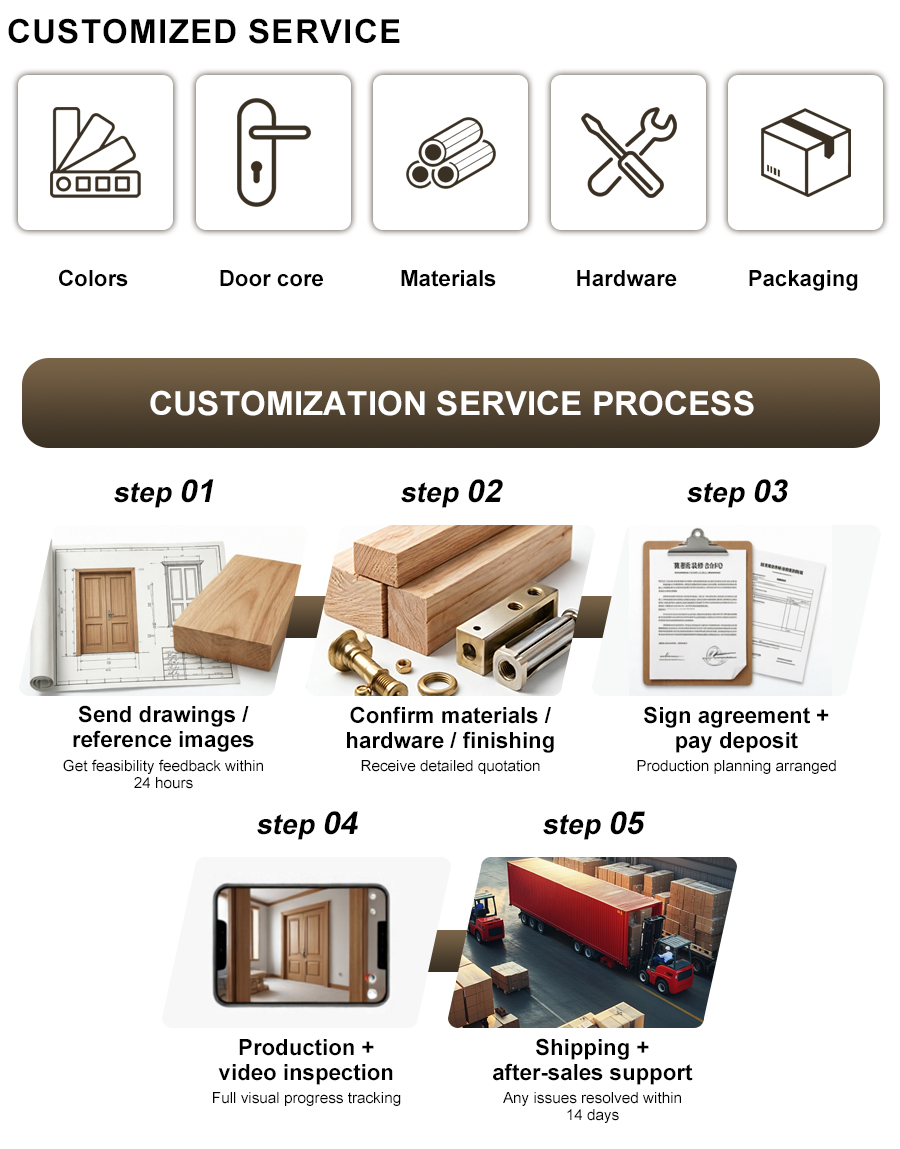
At Chantadoor, we offer customizable solutions for both systems, including:
- Paint-free hinged doors
- Solid-core acoustic doors
- Sliding barn doors
- Hidden sliding systems
- Waterproof and moisture-resistant options
So, should interior doors be hinged or sliding? The answer depends on project priorities. Hinged doors offer better sound insulation, sealing, and traditional functionality, while sliding doors provide superior space efficiency and modern aesthetics.
With advanced manufacturing technology, customized engineering solutions, and strict quality control, Chantadoor helps customers choose the most suitable interior door systems for residential and commercial projects worldwide, combining durability, functionality, and timeless design.